
5.6 KiB
Jellyfin-Media-Bar - Now with Play Now Function
- Add
https://www.iamparadox.dev/jellyfin/plugins/manifest.jsonto your repositories - Install "File Transformation" at least 2.2.1.0
- Install latest "Media Bar"
- Restart Jellyfin
Reporting Issues
If you face issues relating to the visuals or behaviour of buttons added by the Media Bar please report them on MakD's repo (the one this is forked from). This plugin pulls the content from their repo directly and is only in control of adding it without the need for modifying your JF install files.
Any issues with plugin's settings (including using a playlist as your avatar's playlist) should be made here.
Original README.md from MakD
TODO - Design changes upcoming next release
Thanks to the Man, the Legend BobHasNoSoul for his work on the jellyfinfeatured and SethBacon and TedHinklater for their take on the Jellyfin-Featured-Content-Bar.
Here I present my version of the same with some code improvements, loading optimizations, and Security Enhancements. Works best with the Zombie theme (Shameless Plug), but it fits with every other theme the creators have put their hard work in. You might've to edit the color accents in the CSS to match yours.
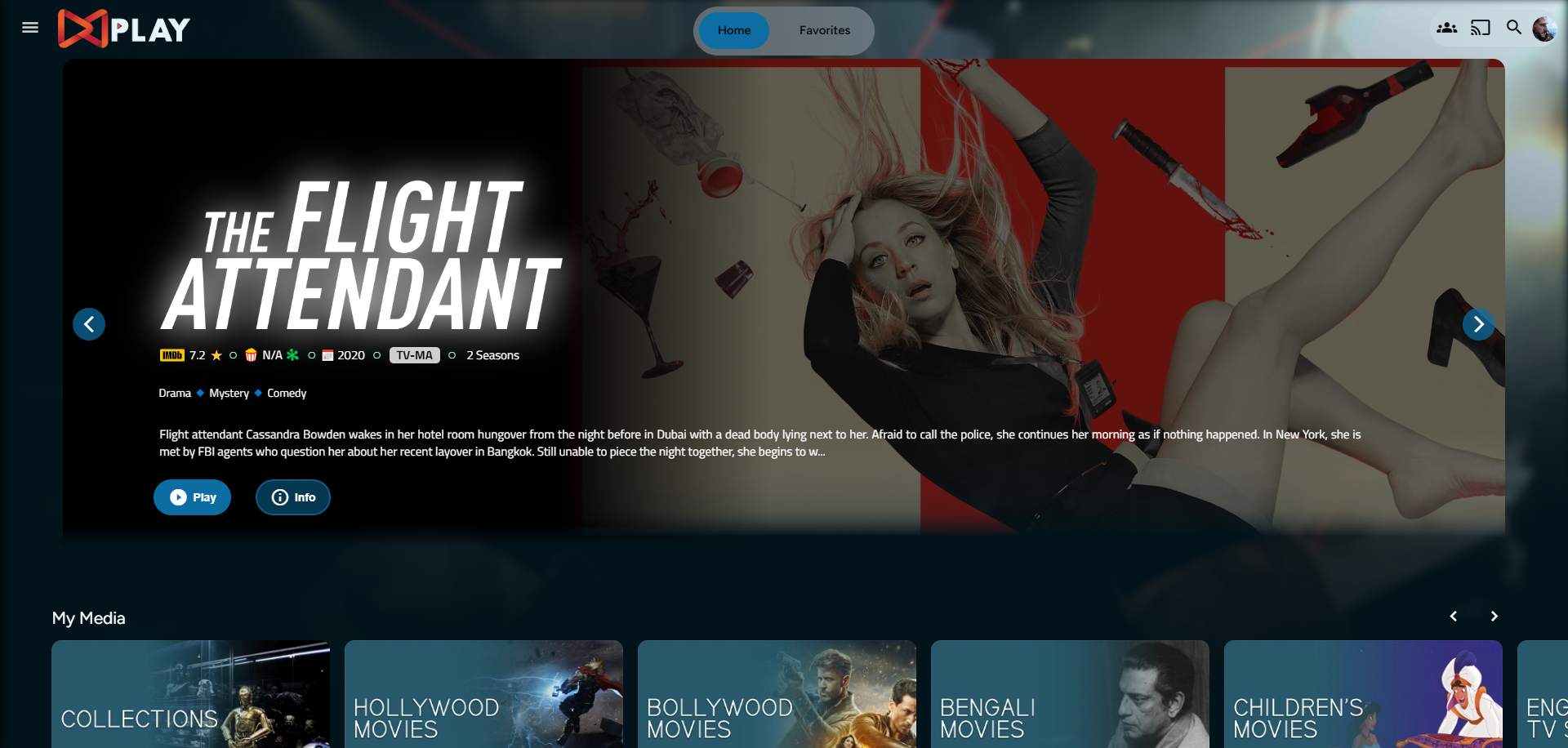
Desktop Layout
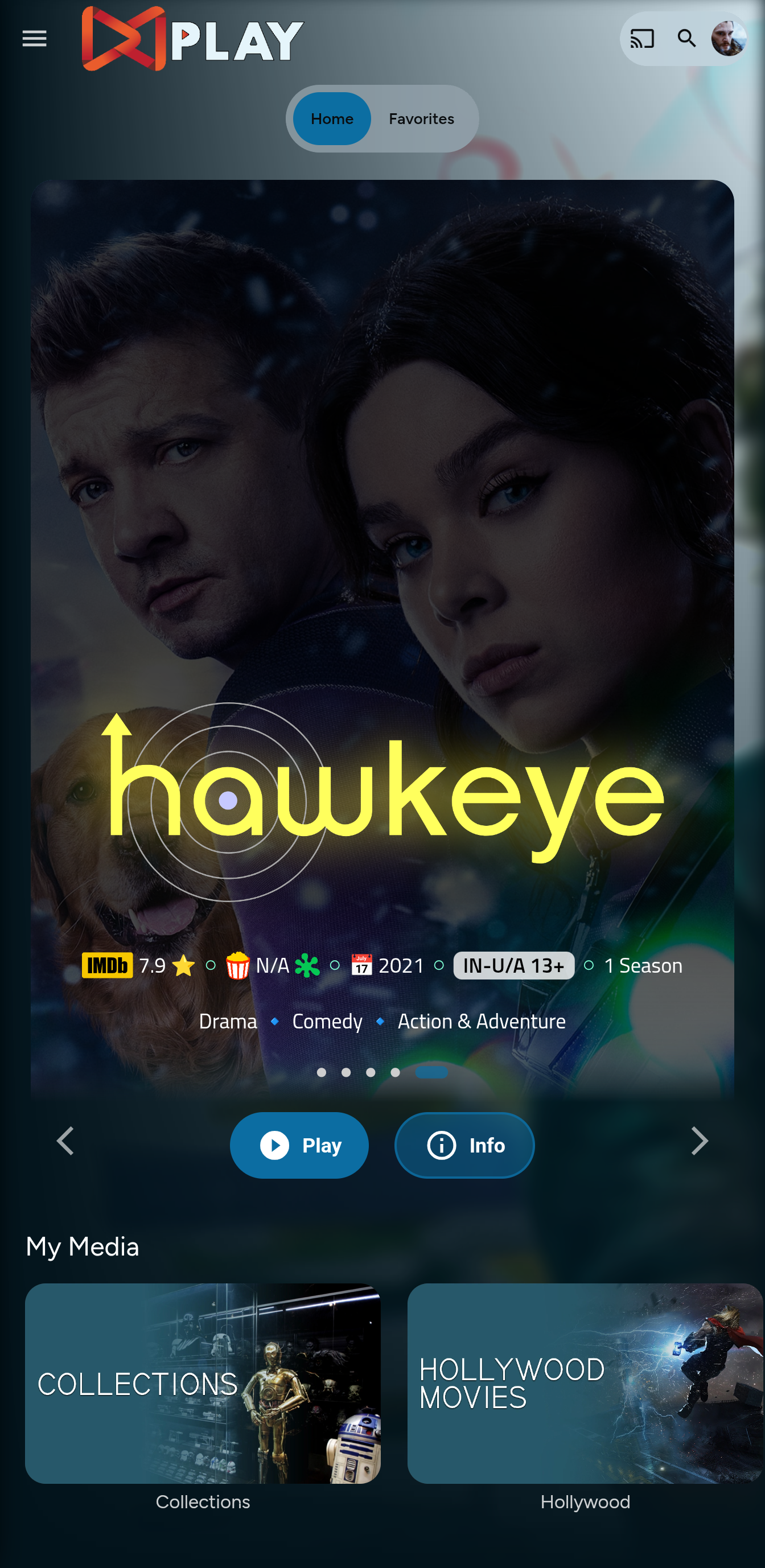
Mobile Layout
Before Installing, please take a backup of your index.html and home-html.xxxxxx.chunk.js files
Prepping the Environment
Steps
- Create a folder
avatarsin yourjellyfin-webfolder. (Usually in C:\Program Files\Jellyfin\Server) - Download the files
slideshowpure.jsandslideshowpure.css - Paste them inside the avatars folder created, and you are ready to venture down the rabbit hole.
Prepping the files
index.html
- Navigate to your
jellyfin-webfolder and search for the file index.html. (you can use any code editor, just remember to open with administrator privileges. - Search for
</body></html> - Just before the
</body, plug the below code
    <script>
      function saveCredentialsToSessionStorage(credentials) {
        try {
          sessionStorage.setItem(
            "json-credentials",
            JSON.stringify(credentials)
          );
          console.log("Credentials saved to sessionStorage.");
        } catch (error) {
          console.error("Error saving credentials:", error);
        }
      }
      function saveApiKey(apiKey) {
        try {
          sessionStorage.setItem("api-key", apiKey);
          console.log("API key saved to sessionStorage.");
        } catch (error) {
          console.error("Error saving API key:", error);
        }
      }
      (function () {
        var originalConsoleLog = console.log;
        console.log = function (message) {
          originalConsoleLog.apply(console, arguments);
          if (
            typeof message === "string" &&
            message.startsWith("Stored JSON credentials:")
          ) {
            try {
              var jsonString = message.substring(
                "Stored JSON credentials: ".length
              );
              var credentials = JSON.parse(jsonString);
              saveCredentialsToSessionStorage(credentials);
            } catch (error) {
              console.error("Error parsing credentials:", error);
            }
          }
          if (
            typeof message === "string" &&
            message.startsWith("opening web socket with url:")
          ) {
            try {
              var url = message.split("url:")[1].trim();
              var urlParams = new URL(url).searchParams;
              var apiKey = urlParams.get("api_key");
              if (apiKey) {
                saveApiKey(apiKey);
              }
            } catch (error) {
              console.error("Error extracting API key:", error);
            }
          }
        };
      })();
    </script>
    <link rel="preload" href="/web/avatars/slideshowpure.css" as="style" />
    <link rel="stylesheet" href="/web/avatars/slideshowpure.css" />
    <script defer src="/web/avatars/slideshowpure.js"></script>
home-html.xxxxxx.chunk.js
- Similarly, search for
home-htmlin thejellyfin-webdirectory. You should be able to see a file namedhome-html.xxxxxx.chunk.jswith random numbers in place of thexxxx. Open it with any code editor with administrator privileges. - Search for
id="homeTab" data-index="0"> - Right after the
>, paste the code block<div id="slides-container"></div><script>slidesInit()</script>
And that is it. Hard refresh your web page (CTRL+Shift+R) twice, and Profit!
Want a Custom List to be showcased instead of random items??
No worries this got you covered.
Steps
- Create a
list.txtfile inside youravatarsfolder. - In line 1 give your list a name.
- Starting line 2, paste the item IDs you want to be showcased, one ID per line. For Example :
Awesome Playlist Name
ItemID1
ItemID2
ItemID3
ItemID4
ItemID5
The next time it loads, it will display these items.